Resin art has quickly become one of the most exciting forms of modern creative art. From elegant coasters and trays to jewellery, decorative pieces and personalised gifts, resin allows you to turn simple ideas into beautiful handmade creations.
Choosing the right Resin Art Workshop in Nashik can make the learning process much easier for complete beginners.
If you have been searching for a resin art workshop in Nashik but have never worked with resin before, you may have several questions. Is resin art difficult? What will you learn in a workshop? Do you need drawing or painting experience? What materials are required?
The good news is that resin art can be learned by complete beginners when they receive the right guidance.
In this guide, we will explain everything you should know before joining a resin art class in Nashik.
What Is Resin Art?
Resin art is a creative technique in which liquid resin is combined with a suitable hardener and then decorated using colours, pigments, glitter, dried flowers and other decorative elements.
A beginner-friendly Resin Art Workshop in Nashik gives participants practical experience with resin, pigments and different creative techniques.
Once properly mixed and cured according to the product instructions, the material forms a smooth, glossy and durable surface.
Artists use resin to create a wide variety of decorative and functional products, including:
- Resin coasters
- Serving trays
- Jewellery
- Keychains
- Name plates
- Bookmarks
- Wall décor
- Photo frames
- Decorative pieces
- Handmade gifts
Because there are so many possibilities, resin art is popular among teenagers, adults, hobby artists and people interested in starting a handmade gifting business.
Is Resin Art Suitable for Beginners?
Absolutely.
You do not need to be an experienced artist to begin learning resin art.
Unlike traditional drawing or painting, where techniques may require months of regular practice, beginners can start creating simple resin projects while learning the fundamental process step by step.
A beginner-friendly resin art workshop in Nashik generally focuses on helping participants understand the materials and process before moving towards more creative designs.
With proper guidance, you can learn how to mix materials correctly, add colours, create patterns, pour resin and finish your artwork.
What Do You Learn in a Resin Art Workshop?
Every workshop may have a slightly different curriculum, but a good beginner resin art workshop should teach you the complete process rather than simply asking you to copy a finished design.
Here are some of the key things beginners can expect to learn.
Before joining a Resin Art Workshop in Nashik, check what materials, projects and safety guidance are included.
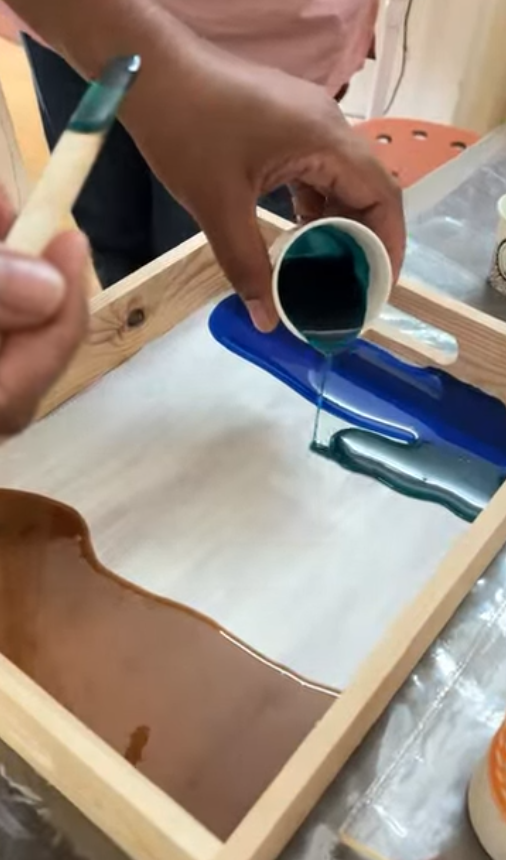
1. Understanding Resin and Hardener
The first step is understanding the materials you are working with.
Your instructor may explain:
- What resin is
- How resin systems work
- Why resin and hardener need to be combined correctly
- How curing works
- Why following the manufacturer’s recommended mixing ratio is important
Understanding the material makes it easier to create better results in future projects.
2. Correct Mixing Techniques
Mixing is one of the most important stages of resin art.
Beginners learn how to mix resin according to the specific product instructions while trying to minimise unwanted bubbles and achieve an even consistency.
Small mistakes during mixing can affect the final result, which is why learning the correct method under guidance can be valuable.
3. Adding Colours and Pigments
One of the most enjoyable parts of resin art is experimenting with colours.
Depending on the workshop and materials used, you may explore different decorative effects using suitable resin pigments or other compatible materials.
This allows you to experiment with:
- Solid colour combinations
- Marble-inspired patterns
- Metallic effects
- Transparent designs
- Layered colours
- Abstract patterns
There is no single correct design, which makes resin art a wonderful medium for creative expression.
4. Using Decorative Elements
Resin creations can also include different decorative elements.
For example, artists may use suitable materials such as:
- Dried flowers
- Glitter
- Decorative flakes
- Small embellishments
- Personalised elements
These details can transform a simple resin project into something unique and personal.
5. Pouring Techniques
Pouring resin correctly helps determine the final appearance of your artwork.
During a workshop, beginners may learn how to pour resin into moulds or onto suitable surfaces while creating controlled patterns and designs.
The instructor can also help explain common beginner mistakes and how to avoid them.
6. Finishing and Curing
Your resin project is not necessarily complete as soon as you finish pouring.
The curing stage is equally important.
Participants should understand how to keep their project protected while it cures and when it can safely be handled, based on the instructions for the resin system being used.
Depending on the project, additional finishing techniques may also be required.
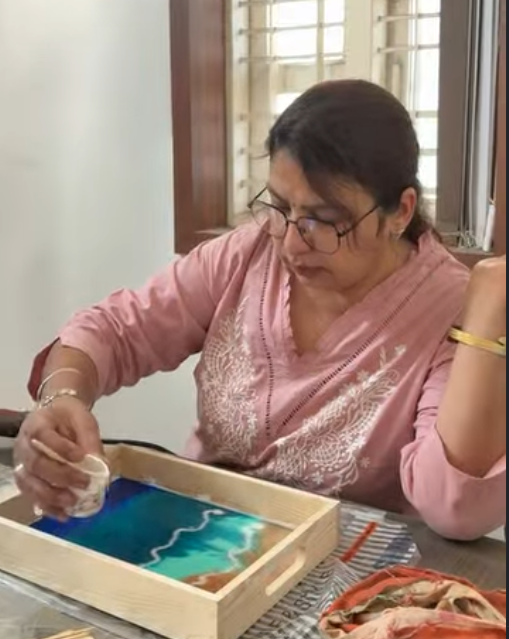
What Can You Make at a Beginner Resin Art Workshop?
One reason resin workshops are so enjoyable is that you are creating something you can actually take home and use or display.
Beginner projects may include items such as:
Resin Coasters
Coasters are a popular starting project because they allow beginners to experiment with colours, patterns and decorative effects on a manageable scale.
Resin Trays
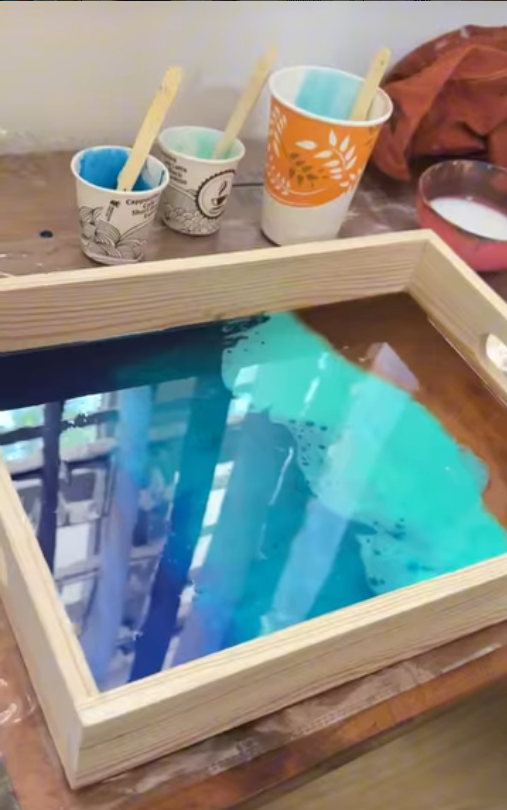
Decorative trays provide more space for experimenting with colour combinations and creative layouts.
Resin Keychains
Small personalised keychains are fun projects and can also make thoughtful handmade gifts.
Resin Jewellery
Creative learners can explore pendants, earrings and other decorative jewellery pieces using suitable moulds.
Resin Bookmarks
Bookmarks are another simple and attractive project for beginners and can be personalised using different colours or decorative elements.
The exact project will depend on the type and duration of the workshop you choose.
Do You Need Any Art Experience?
No.
One of the biggest misconceptions about resin art is that you need to be good at drawing or painting.
Resin art is more about understanding the material, developing colour sense, experimenting with composition and following the process carefully.
Complete beginners can therefore participate comfortably.
An experienced painter may create a different style of resin artwork, but artistic experience is not a requirement for learning the basics.
At ND’s Creative Art, a Resin Art Workshop in Nashik can help creative learners explore resin art through hands-on practice.
Who Can Join a Resin Art Workshop?
Resin art workshops can appeal to many different types of creative learners.
Teenagers
Resin art can introduce teenagers to a modern creative medium beyond traditional drawing and painting.
Adults
Adults looking for a relaxing creative activity can explore resin art as a hobby and enjoy making handmade decorative products.
Hobby Artists
If you already enjoy painting, crafting or DIY projects, learning resin art can add another skill to your creative toolkit.
Aspiring Handmade Business Owners
Resin products are frequently used for personalised gifting and decorative items.
Learning the craft can therefore be a useful starting point for people interested in exploring handmade products commercially.
A workshop can help you understand the fundamentals before deciding whether you want to pursue the skill further.
Benefits of Learning Resin Art
Joining a resin art class in Nashik is about more than completing one creative project.
Encourages Creativity
You can experiment with colour combinations, layouts and decorative elements to make something that reflects your individual style.
Provides Hands-On Learning
Instead of only watching online tutorials, a physical workshop allows you to practise the technique while receiving guidance.
Helps You Understand Mistakes
Beginners may encounter issues such as incorrect proportions, bubbles, unsuitable materials or poor finishing.
Having an instructor available can make it easier to understand what went wrong and how to improve.
Creates Handmade Gifts
A resin creation can become a meaningful personalised gift for birthdays, anniversaries, festivals and other occasions.
Can Develop Into a Hobby or Skill
What starts as a single workshop may eventually become a long-term hobby or even encourage you to explore handmade product creation.
Resin Art Workshop vs Learning Through Online Videos
There are countless resin art tutorials available online, so you may wonder why you should attend a workshop.
Online videos are useful for inspiration, but beginners often have questions while actually working with the material.
For example:
Why did bubbles appear?
Why didn’t my design turn out as expected?
How much pigment should I use?
Which materials are suitable for this resin system?
How should the artwork be left to cure?
During an in-person workshop, an instructor can guide you while you are creating the artwork and help correct mistakes at the right moment.
That hands-on experience can make the learning process easier for beginners.
Important Safety Considerations for Beginners
Beginners should also understand proper resin handling and safety precautions. You can refer to the NIOSH guidance on epoxy resin safety for additional information.
Resin products should always be handled according to the manufacturer’s safety instructions.
Depending on the specific resin system being used, appropriate precautions may include protective gloves, suitable clothing, good ventilation and other protective measures recommended by the manufacturer.
Participants should avoid directly touching uncured resin and should follow the instructor’s safety guidance throughout the workshop.
A responsible workshop should explain safe handling procedures before participants begin their projects.
How to Choose the Right Resin Art Workshop in Nashik
If you search for resin art classes in Nashik, you may come across different workshop options.
Before registering, consider these factors.
Beginner-Friendly Teaching
Choose a workshop where the basics are explained clearly instead of assuming that every participant already understands resin.
Hands-On Practice
Resin art is best learned through actual practice.
Look for workshops where participants create their own projects rather than simply watching a demonstration.
Guidance From an Instructor
An instructor should be available to explain the process, correct mistakes and answer questions.
Clear Workshop Project
Ask what you will be creating during the session so you know what to expect.
Materials and Safety
Check whether workshop materials are provided and whether appropriate safety practices are followed.
Future Learning Opportunities
If you enjoy your first workshop, having the option to explore additional creative projects can help you develop your skills further.
Can Resin Art Become a Small Business?
For some creative learners, yes.
Handmade and personalised resin products can be developed into items such as:
- Customised coasters
- Name plates
- Jewellery
- Keychains
- Trays
- Festive gifts
- Personalised gifting products
However, creating products professionally requires more than attending one workshop.
You will need consistent practice and a good understanding of materials, product quality, finishing, costing, packaging and customer preferences.
A beginner workshop is best viewed as a foundation from which you can decide how deeply you want to explore the craft.
Why Attend a Resin Art Workshop in Nashik?
If you live in Nashik, attending a local workshop gives you an opportunity to experience the craft hands-on without having to learn everything through trial and error.
It can also help you meet other creative learners, discover new techniques and enjoy a refreshing break from your regular routine.
Whether your goal is to develop a new hobby, make beautiful handmade products or simply spend time doing something creative, a resin art workshop can be an enjoyable place to begin.
If you want to develop a new creative hobby, joining a Resin Art Workshop in Nashik can be a great place to start.
Frequently Asked Questions About Resin Art Workshops
Is resin art difficult for beginners?
Resin art has techniques that require attention and practice, but beginners can learn basic projects with proper instruction.
Do I need to know drawing or painting?
No. Previous drawing or painting experience is generally not necessary for beginner resin art.
What should I bring to a resin art workshop?
This depends on the workshop. Ask the organiser whether materials and protective equipment are provided or whether you need to bring anything.
Can adults join resin art workshops?
Yes. Resin art is particularly popular among teens, adults, hobby artists and people interested in handmade products.
Can I learn resin art in one day?
A beginner workshop can introduce you to the basic process and help you complete a project, but becoming confident with different resin techniques requires additional practice.
Can I sell products after learning resin art?
You can eventually explore selling handmade resin products, but it is best to first practise consistently and develop good knowledge of materials, safety, finishing, durability and costing.
Start Your Resin Art Journey in Nashik
Creative skills are often best learned by actually making something with your own hands.
A resin art workshop in Nashik can introduce you to the materials, techniques and creative possibilities of resin while giving you practical guidance throughout the process.
Whether you are a complete beginner, a teenager exploring modern art techniques, an adult looking for a creative hobby or someone interested in handmade products, resin art offers plenty of possibilities to explore.
A professionally guided Resin Art Workshop in Nashik helps beginners understand common mistakes and improve their technique.
Looking for a resin art workshop in Nashik?
Explore the creative workshops at ND’s Creative Art Group and discover a hands-on environment where you can learn, experiment and create your own beautiful artwork.